How Automation Is Changing the Way Freight Moves
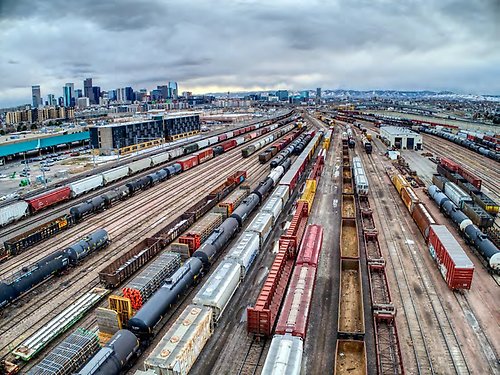
A freight train may travel hundreds or thousands of miles, but some of its most important movements happen at low speed inside a rail yard. This is where trains arrive, railcars are inspected and sorted, new trains are assembled, and freight is prepared for the next leg of its journey. A large rail yard can have dozens—or even hundreds—of switches directing those movements. Increasingly, automation connects the operation: sensors monitor equipment, systems track railcars, automated switches establish routes, and yard management technology helps coordinate thousands of individual movements.
The objective sounds simple: Get the right railcar onto the right track at the right time.
Achieving that takes the coordinated operation of people, equipment, information, and infrastructure. And increasingly, it takes automation.
How a Freight Rail Yard Works
Rail yards are critical sorting and assembly points within the freight rail network. Atrain arriving at a yard may contain railcars carrying various products for different customers and destinations. Rather than taking the entire train to every destination, railroads use yards to separate, organize, and rebuild groups of cars into trains headed in the same direction.
Depending on the facility, yards can also serve as inspection, maintenance, and transfer points. Technology is changing many of these activities. Railroads can identify individual cars automatically, inspect equipment as it moves, remotely control locomotives and switches, and use digital systems to coordinate movements throughout the yard.
The modern rail yard is becoming more connected, more visible, and more automated. Understanding its anatomy shows just how much goes into making that possible.
- Receiving: Knowing What's Coming into the Yard
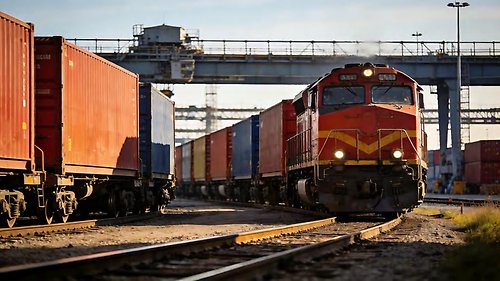
It starts with an arriving train. Receiving tracks provide a place for inbound trains to enter the yard and begin the process of inspection and classification. Increasingly, technology starts gathering information before a train ever comes to a stop.
RFID systems can identify individual railcars. Wayside detectors, cameras, and machine vision systems can provide information about equipment condition. Digital systems can connect that information with the train's consist and destination data.
Instead of simply knowing that a train has arrived, operators have greater visibility into what has arrived, its condition, and what needs to happen next.
Then the sorting begins.
2. Classification: Getting Every Car Where It Needs to Go
One inbound train may contain railcars destined for many separate locations. Classification is the process of separating those cars and organizing them according to where they need to go next. How that happens depends on the yard.
In a flat yard, locomotives move groups of railcars back and forth through a series of switches to place them on the appropriate classification tracks.
A hump yard takes a different approach. A locomotive slowly pushes cars over an elevated section of track known as the hump. Cars are uncoupled and allowed to roll downhill toward their assigned classification tracks.
This is where automation becomes particularly visible.
Automated switches establish the appropriate route. Retarders help control car speed. Sensors and computerized systems coordinate the movement of individual cars toward the correct classification track.
What looks from a distance like a collection of parallel tracks is actually a highly coordinated sorting system. And much of that system depends on one small piece of infrastructure: the switch.
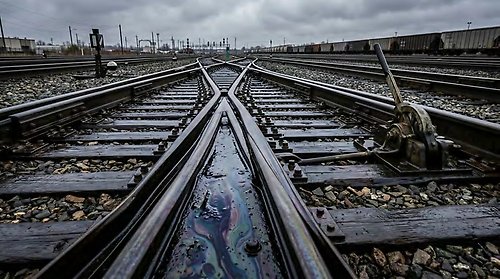
Arailroad switch—or turnout—allows rolling stock to move from one track to another. Inside a rail yard, that simple function can be repeated constantly.
Aseries of switches determines which classification track a car enters, whether a locomotive can reach a particular group of cars, and how efficiently traffic can move through the yard. Some switches are manually operated. Others are power operated and controlled remotely. In automated classification yards, switches can be lined automatically as systems direct individual cars toward their assigned tracks.
The physical footprint of a switch may be insignificant compared with the size of the yard. Its operational importance isn't. If a critical switch cannot move when commanded, the effects can extend well beyond that individual piece of infrastructure. Movements may need to be rerouted, delayed, or handled manually.
That's why switch reliability is about yard fluidity.
4. Classification Tracks: Building the Next Train
After cars move through the switching network, they accumulate on classification tracks—sometimes collectively called the classification bowl in a hump yard.
Cars headed in the same direction can be grouped together until there are enough to build the next train. Ina large classification yard, this process can involve thousands of individual railcar movements.
The technology coordinating those movements may be sophisticated, but the underlying principle remains straightforward: every car needs a clear path to the correct track. That makes the reliability of the infrastructure supporting those movements just as important as the systems directing them.
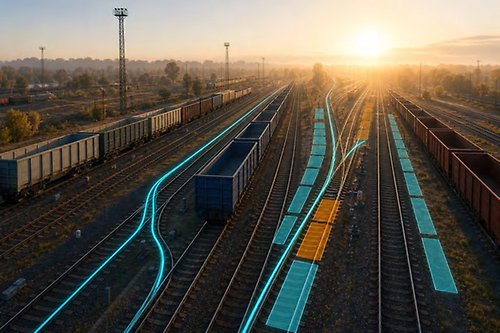
Once the appropriate railcars have been assembled, an outbound train can ef be prepared for departure. Depending on the operation, that can include mechanical inspections, brake testing, documentation and other required checks before the train leaves the yard and returns to the mainline.
What arrived as one train may leave as several and cars that arrived on several different trains may now leave together. That continuous process of arrival, inspection, classification, assembly, and departure is what makes rail yards such important nodes within the freight network.
And technology is increasingly helping railroads see and manage that process as one connected operation.
The Rail Yard Is Becoming a Connected System. Automation in rail yards isn't one technology. It's the combination of many technologies working together.
Automated switches establish routes, remote-control locomotives support yard movements, and RFID identifies railcars. Machine vision and wayside sensors inspect equipment. Digital management systems provide greater visibility into where equipment is and what needs to happen next.
Each takes something that once depended heavily on manual observation or intervention and makes it more visible, predictable, or automatic.
That has an important implication for the infrastructure supporting the yard: Automation doesn't have to stop at the switch.
What Happens When Winter Arrives?
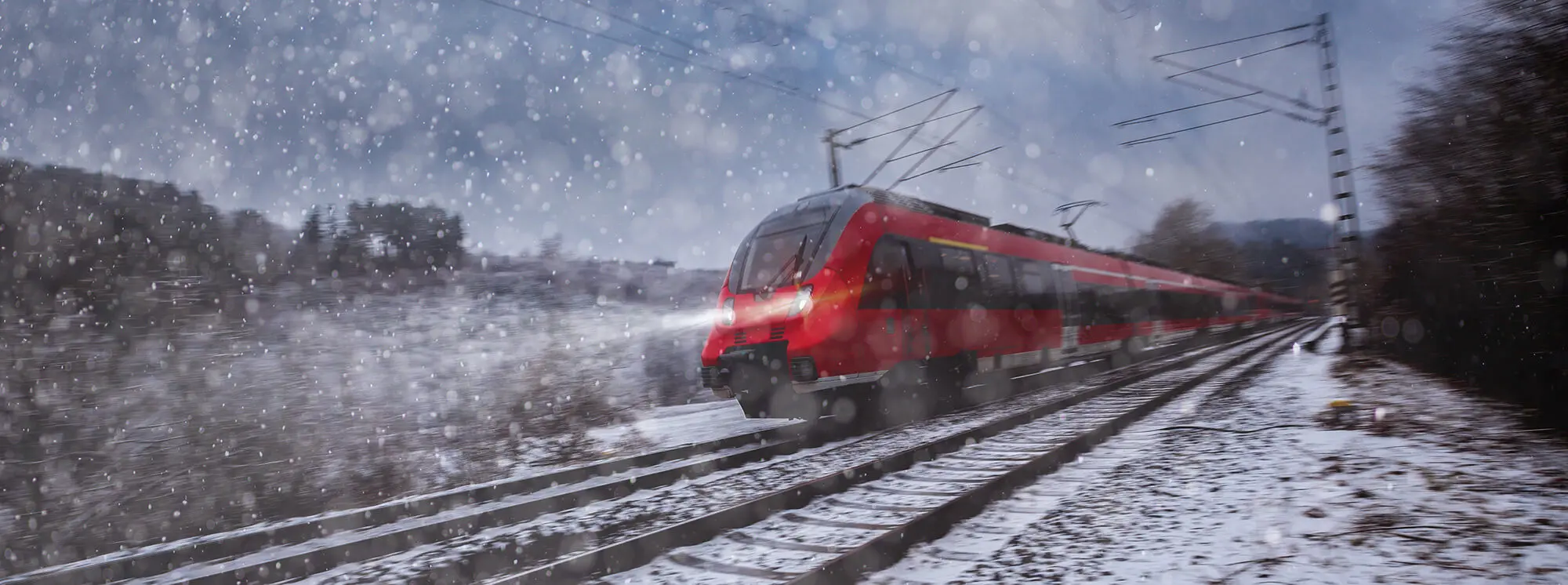
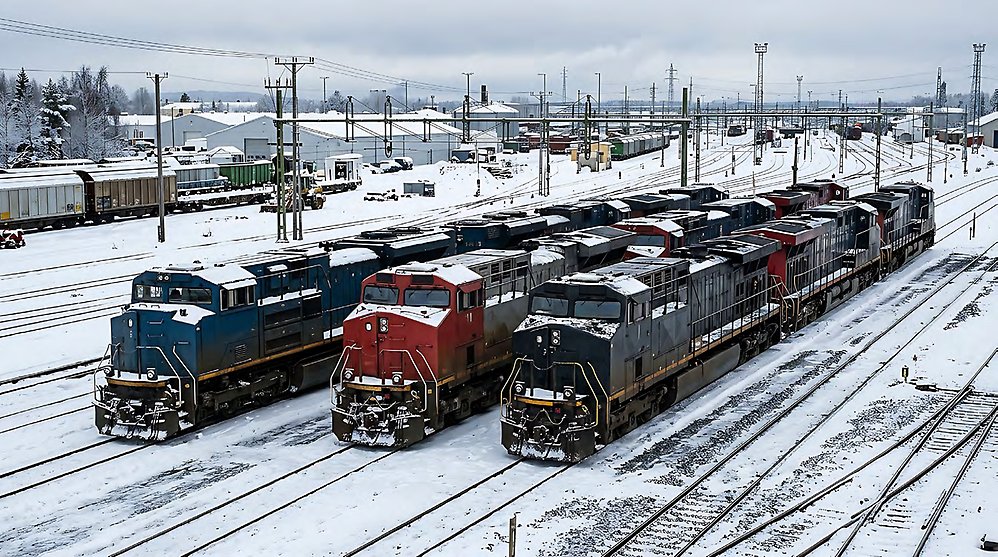
The rail yard doesn't become less complex when it snows, it becomes harder to manage. Snow and ice can accumulate around switch points and other moving components, preventing a switch from moving freely or closing correctly.
In a large yard, the challenge is multiplied by the concentration of switches supporting a continuous sequence of movements. Traditionally, keeping those switches operational can require a combination of heaters, hot-air blowers, inspections, snow clearing, and crews responding to individual problem areas.
Switch heating solves an important part of the problem. But simply generating heat doesn't answer some of the larger operational questions.
- When should the heater turn on?
- How much heat does the switch actually need?
- Have conditions changed?
- ls the equipment working correctly?
- Does someone need to inspect it?
- When can the heat be turned off?
These are key issues which can be automated for better control and operational efficiency.
Freight railroads have already automated many of the decisions that move railcars through a yard. The same principle can be applied to the systems that keep those switches operational.
NIBE Element Railway Solutions’ Blue Point system combines switch heating with sensors, intelligent controls, remote monitoring, and complete diagnostics.
Rather than waiting for someone to turn a heater on or operating continuously throughout winter conditions, the system monitors conditions at the rail and responds automatically. NIBE's patented dual-element pulse-width modulation technology regulates heat output as conditions change. The objective is to provide the heat the switch needs without consuming energy unnecessarily.
Depending on the application and operating conditions, that approach can reduce switch-heating energy consumption by up to 80%! But energy is only part of the story.
Remote monitoring also gives maintenance and operations teams visibility into heater performance without requiring someone to travel to each switch simply to determine its status. When something requires attention, crews can focus on where they're actually needed.
Existing Rail Yard Heaters: Part of the Automation Strategy
Modernizing a rail yard doesn't necessarily mean replacing everything already in operation. The same can be true for switch heating. NIBE's Intelligent Weather Station (IWS) can bring automated control to existing rail heating infrastructure.
Sensors monitor conditions including air temperature, rail temperature, humidity, wind, and precipitation. NIBE's control technology uses that information to determine when existing heaters need to operate.
For established freight yards with significant heating infrastructure already installed, that creates a practical path toward greater automation without requiring every heater to be replaced at once. Railroads can modernize strategically, identifying where greater control, visibility, and automation can provide the most operational value.
From Managing Equipment to Managing Exceptions
This is one of the larger opportunities created by automation. People don't have to be removed from the operation but their time can be better focused and utilized for maximum benefit.
If a system can determine when heat is needed, adjust output as conditions change, confirm that equipment is functioning, and alert operators when something isn't right, crews don't have to spend as much time checking equipment that is operating normally.
Instead, they can focus on the exceptions.
That matters in a large rail yard, where the number of switches and the physical distances involved can make even routine inspections time-consuming. Remote visibility turns the question from “Is everything working?” into “Where do we actually need to go?”
The Next Step in Rail Yard Automation
A rail yard is a system. Locomotives matter. Track matters. Inspection technology matters. Communications matter. Crews matter.
And switches matter.
The next generation of rail yard automation isn't necessarily about replacing everything in the yard. It's about making more of the infrastructure already there intelligent, visible, and responsive.
For switch heating, that means knowing what conditions are developing, responding automatically, using only the energy required, confirming that equipment is operating correctly, and directing people to the places where their expertise is actually needed.
NIBE Element Railway Solutions brings that level of automation to one of the smallest—but most operationally important—pieces of infrastructure in the rail yard: the switch.
Make Switch Heating Part of Your Rail Yard Automation Strategy
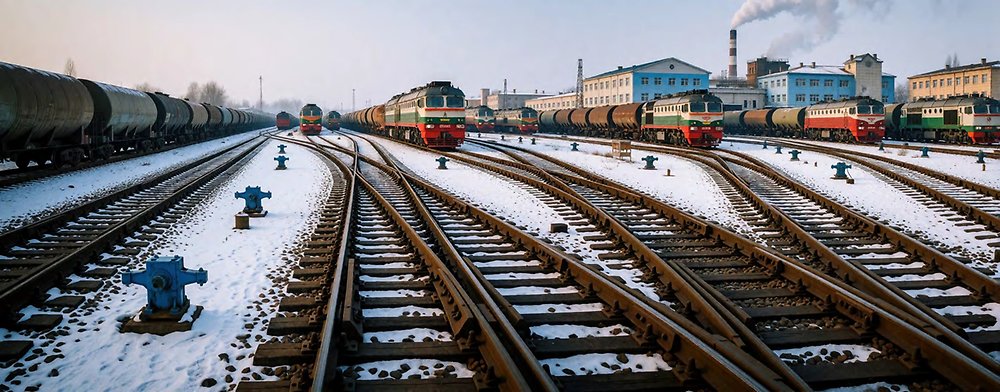
Whether you're planning new infrastructure or looking for ways to automate existing switch heating systems, NIBE can help identify where intelligent control, remote monitoring and automated heating can make rail yard operations easier to manage.
Talk with NIBE about your rail yard.